Deinfluencing – a movement against the culture of consumerism
Just on TikTok, hashtag #deinfluencing currently has over 151 million views!
—
2 min to read
Written by:
Štefica Škarika
Only few people have probably not heard so far of the term deinfluencing. Social media views of this term are growing exponentially and are slowly approaching the #TikTokMadeMeBuyIt trend, that currently has 42 billion views. Below in the text, we will answer to the question of what this trend is about.
New face of influencers
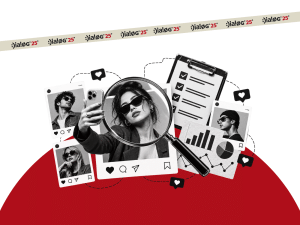
Deinfluencing is, in short, a reaction to the culture of consumerism, which aims to fight against the constant creation of the need to buy new products and services by influencers. That’s how the deinfluencers were born. Instead of promoting brands through positive product reviews or paid ads like “classic” influencers, deinfluencers will tell you which products NOT to buy. The videos focus on popular products that deinfluencers think are overpriced. Emphasis is placed on the tendency to buy multiple products for the same purpose. Followers are encouraged not to buy, for example, three different mascaras, but only one. A critical review of products is more authentic than the “polished” content that influencers offer every day. That’s exactly why this trend has become very popular in a very short period of time.
Influence trading is eternal
The common characteristic of influencing and deinfluencing is that both trends use the power to influence consumers. This is especially visible in cases where deinfluencers simultaneously promote cheaper product alternatives. In this aspect, influencing and deinfluencing are actually intertwined, and consumers are under a certain type of influence. So, we could say that deinfluencing does not mean the end of the era of influencers.
Subscribe to our Newsletter!
And be always updated with news from Dialog.
Highlights
Influencer Vetting: Why the Right Influencer Matters More Than Follower Count
A successful influencer marketing campaign starts long before the first social media post goes live. It starts with choosing the right creator - someone whose audience, values and communication style align with the brand.
With more than 5 million paid subscriptions, Substack brings writers together around highly specific interests and topics, creating small but highly focused communities that may be worth getting to know.
Rage Bait: Key Takeaways from the Weekend Media Festival
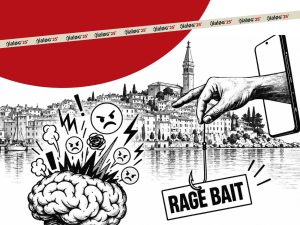
The panel “Rage Bait – Anger as a Shortcut to the Algorithm” explored content designed to provoke strong reactions, the line between legitimate provocation and manipulation, and the responsibility of media outlets, communicators and brands.
We use cookies to advance user experience on our website. Please select cookies you wish to allow us to set on your computer. For more information please see our “Cookies policy” and “Privacy protection”.
Neccessary
Necessary cookies help make our website usable by enabling basic functions like page navigation and access to secure areas of the website. The website cannot function properly without these cookies. These cookies do not store any personally identifiable information.
Performance
Performance cookies help us to understand how you interact with this website by collecting and reporting information anonymously. These cookies allow us to count visits and traffic sources, so we can measure and improve the performance of our site. These cookies do not store any personally identifiable information.