One of the most common tasks in the life of a PR person is to write a press release. We bring you simple rules for producing this seemingly simple content.
—
2 min to read
Written by:
Marija Margareta Klika, Senior Consultant, Dialog komunikacije
HEADER, PLACE AND DATE
The header contains information that it is a press release (and, if applicable, the time when it may be published), town and date of publication. The press release is always written on the memorandum of the company or organization behind it.
TITLE
Make an effort when writing the title, make it interesting for the recipient (journalist, editor), and thus the end reader.
WHO, WHAT, WHEN, WHERE AND WHY
When writing the first paragraph make sure you answer these questions: WHAT happened, WHO are the main acts, WHERE and WHEN did something happen and WHY it matters? Try to reduce the rest of the text to a card, maximum of two.
DATA ACCURACY
Make sure that all information and data provided are correct. Never send unverified information to the media and always make sure you have client’s approval.
GRAMMATICAL EXCELLENCE
Every text you send out to the media must be grammatically and orthographically correct. After writing it, send it for proofreading.
CONTACTS
At the end of the text, always provide contacts for more information in case of potential media inquiries.
Influencer Vetting: Why the Right Influencer Matters More Than Follower Count
A successful influencer marketing campaign starts long before the first social media post goes live. It starts with choosing the right creator - someone whose audience, values and communication style align with the brand.
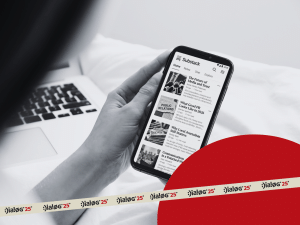
With more than 5 million paid subscriptions, Substack brings writers together around highly specific interests and topics, creating small but highly focused communities that may be worth getting to know.
Rage Bait: Key Takeaways from the Weekend Media Festival
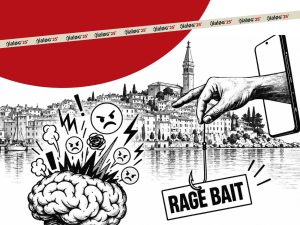
The panel “Rage Bait – Anger as a Shortcut to the Algorithm” explored content designed to provoke strong reactions, the line between legitimate provocation and manipulation, and the responsibility of media outlets, communicators and brands.
We use cookies to advance user experience on our website. Please select cookies you wish to allow us to set on your computer. For more information please see our “Cookies policy” and “Privacy protection”.
Neccessary
Necessary cookies help make our website usable by enabling basic functions like page navigation and access to secure areas of the website. The website cannot function properly without these cookies. These cookies do not store any personally identifiable information.
Performance
Performance cookies help us to understand how you interact with this website by collecting and reporting information anonymously. These cookies allow us to count visits and traffic sources, so we can measure and improve the performance of our site. These cookies do not store any personally identifiable information.