The summer of 2025 has been dubbed “Brain Rot Summer”, a season without major hits or unifying cultural events, raising the question: has the era of monoculture truly ended?
The phrase emerged in Western media to describe a summer devoid of global moments. There’s no single track dominating the airwaves, no film filling theaters worldwide, and no cultural trend that unites an entire generation.
In the past, monoculture moments defined entire seasons: from Game of Thrones and Squid Game to Marvel blockbusters, or music phenomena like Despacito and Blinding Lights. More recently, albums by Charli XCX and Taylor Swift became cultural events in their own right, while the Barbenheimer phenomenon of 2023 showed how one movie weekend could bring together diverse audiences in a shared experience. This summer, however, no such moment exists—exposing a deeper shift in how we consume culture.
Fragmented Consumption
Streaming platforms have rewritten the logic of pop culture. Instead of one dominant title, audiences now choose from hundreds of new shows and films, building their own “parallel worlds.” The same applies to music: TikTok and other social platforms can propel a song to overnight virality, but such hits burn out faster than ever and often remain confined to niche communities.
As a result, we’re losing a shared repertoire of cultural references. Fewer and fewer “must-watch” series, “must-hear” songs, or “must-see” films exist to shape generational identity. Instead of one collective cultural experience, audiences now navigate a landscape of smaller, fragmented worlds.
Impact on Brands and Communication
For brands and the communications industry, this shift represents a paradigm change. In the monoculture era, aligning with one major cultural moment was enough to secure mass visibility. Today, that approach rarely works, as audiences are shaped by a mosaic of micro-trends.
The focus has moved away from the sheer scale of reach toward the depth of engagement. Micro-communities, though smaller in number, show stronger loyalty and wield greater influence over perception. For communicators, this requires constant trend monitoring, rapid adaptation, and highly personalized strategies that go beyond universal messaging.
From Monoculture to Multiculture
While “Brain Rot Summer” may sound like a diagnosis of pop culture’s decline, it actually reflects a new reality: the transition from monoculture to multiculture. Today’s audiences live in parallel cultural experiences—festival niches, podcast circles, online fandoms—and within this diversity lie fresh opportunities for brands.
The key takeaway is that universal cultural moments are nearly gone. Instead, the web of micro-moments offers brands the chance to stay relevant and authentic. Those who recognize the power of these communities can build lasting connections and achieve greater influence than was possible in the age of mass monoculture.
“Brain Rot Summer,” then, should not be seen as the end of monoculture, but as an invitation to embrace new ways of creating cultural and communication value.
Subscribe to our Newsletter!
And be always updated with news from Dialog.
Highlights
Influencer Vetting: Why the Right Influencer Matters More Than Follower Count
A successful influencer marketing campaign starts long before the first social media post goes live. It starts with choosing the right creator - someone whose audience, values and communication style align with the brand.
With more than 5 million paid subscriptions, Substack brings writers together around highly specific interests and topics, creating small but highly focused communities that may be worth getting to know.
Rage Bait: Key Takeaways from the Weekend Media Festival
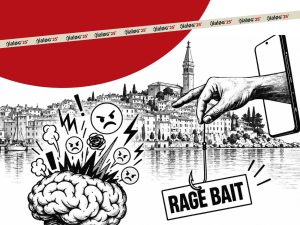
The panel “Rage Bait – Anger as a Shortcut to the Algorithm” explored content designed to provoke strong reactions, the line between legitimate provocation and manipulation, and the responsibility of media outlets, communicators and brands.
We use cookies to advance user experience on our website. Please select cookies you wish to allow us to set on your computer. For more information please see our “Cookies policy” and “Privacy protection”.
Neccessary
Necessary cookies help make our website usable by enabling basic functions like page navigation and access to secure areas of the website. The website cannot function properly without these cookies. These cookies do not store any personally identifiable information.
Performance
Performance cookies help us to understand how you interact with this website by collecting and reporting information anonymously. These cookies allow us to count visits and traffic sources, so we can measure and improve the performance of our site. These cookies do not store any personally identifiable information.