From Metrics to Creative Freedom: What Should an Influencer Brief Include?
When a brand and an influencer know from the outset what they want to achieve, the collaboration becomes more straightforward, and the content is more likely to achieve the campaign’s objective.
—
3 min to read
Written by:
Ema Aralica Šikonja
An influencer campaign can have a clear idea, the right creator and a quality product, but without a well-structured brief, misunderstandings can easily arise around expectations, messaging and the content itself. That is why a brief is not merely a formal step before a collaboration begins, but an important foundation for it.
Define the Objective First
A good brief starts with a few simple questions: what do we want to achieve with the campaign, who are we addressing, and what do we want the audience to remember? Only then should the format, number of posts and deadlines come into play.
The creator needs to know what is non-negotiable for the brand – for example, the key message, product information or mandatory communication elements – while the way they turn that message into content remains in their hands.
That is one of the key differences between a good brief and a detailed script.
When a Brief Becomes a Script
According to Later’s data, 53% of creators consider clear briefs essential for successful collaborations, while only 10% feel they have enough creative freedom in branded content.
That gap highlights the challenge. Creators do not need less structure, but better structure.
There are times when brands hire creators because of their unique voice, only to then try to tell them how to use it.
An overly detailed brief can easily result in content that is technically correct but does not feel like something that influencer would normally publish. Experts from Ogilvy and Ketchum point to the problems that can arise from overly long briefs and excessive control over the creative execution.
The creator perspective points in a similar direction. Rather than increasingly detailed instructions, creators need useful information that helps them understand the brand, the campaign objective, expectations and the boundaries of the collaboration.
What Does a Creator Need to Know Before Production?
A brief should eliminate uncertainties that could later lead to unnecessary revisions. The campaign objective, key message, expected content, deadlines, approval process and rules that need to be followed should all be clear before content production begins.
It is also useful to distinguish between what is mandatory and what is simply intended as inspiration. An example of content the brand likes can be much more useful than a detailed script, provided it serves as a reference rather than a template to be copied.
Creative Freedom Is Not a Luxury
If we have clearly explained what we want to achieve, what response we want to encourage from the audience and what boundaries the creator needs to respect, we have done our part.
Everything else, including the format and creative execution, should be left to them. Trust and the freedom that brands and agencies give creators should remain one of the most important aspects of influencer collaborations. If we chose a creator because their communication style aligns with the brand’s values, giving them room for creativity should be a priority.
And if we do not trust an influencer to deliver good work even with a clear and well-structured brief, perhaps it is time to ask ourselves why we chose that particular creator in the first place.
Subscribe to our Newsletter!
And be always updated with news from Dialog.
Highlights
Influencer Vetting: Why the Right Influencer Matters More Than Follower Count
A successful influencer marketing campaign starts long before the first social media post goes live. It starts with choosing the right creator - someone whose audience, values and communication style align with the brand.
With more than 5 million paid subscriptions, Substack brings writers together around highly specific interests and topics, creating small but highly focused communities that may be worth getting to know.
Rage Bait: Key Takeaways from the Weekend Media Festival
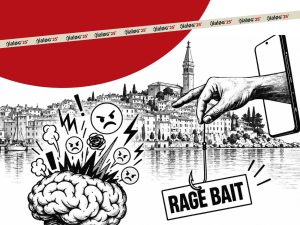
The panel “Rage Bait – Anger as a Shortcut to the Algorithm” explored content designed to provoke strong reactions, the line between legitimate provocation and manipulation, and the responsibility of media outlets, communicators and brands.
We use cookies to advance user experience on our website. Please select cookies you wish to allow us to set on your computer. For more information please see our “Cookies policy” and “Privacy protection”.
Neccessary
Necessary cookies help make our website usable by enabling basic functions like page navigation and access to secure areas of the website. The website cannot function properly without these cookies. These cookies do not store any personally identifiable information.
Performance
Performance cookies help us to understand how you interact with this website by collecting and reporting information anonymously. These cookies allow us to count visits and traffic sources, so we can measure and improve the performance of our site. These cookies do not store any personally identifiable information.