The Bad Bunny Phenomenon: A Brand Without Translation
Global influence built on identity, not compromise
—
3 min to read
Written by:
Lea Rakušić
When Bad Bunny performed at the halftime show of the Super Bowl, it was more than a music spectacle. It became one of those rare cultural moments when global attention converges on a single stage. In real time, reactions formed across continents. Interpretations multiplied. Narratives expanded beyond the artist and the performance itself. In this analysis, we explore how Bad Bunny used his 13 minutes to reinforce and further strengthen his global brand.
Identity Over Adaptation
The performance was not adjusted for a “broader audience.” Spanish remained the dominant language. Latino aesthetics and rhythms were not diluted. Cultural references were not simplified to appear more universal. At a major American mainstream event, this approach might seem risky. In reality, it reflects a clear and consistent brand strategy.
For years, Bad Bunny has built a brand rooted not in adapting to dominant markets, but in clearly articulating his cultural identity. The halftime show was not an attempt to become global. Instead, it proved that global relevance today does not come from neutrality. It comes from clarity. Strong identity drives brand differentiation. And in a competitive global market, authenticity scales more effectively than compromise.
Reputation Is Built Before the Spotlight
A halftime show functions as a communication stress test. However, moments like these do not create brands. They validate them. Bad Bunny stepped onto the stage with an established narrative, a consistent aesthetic, clear values, and a recognizable tone of voice. The performance felt like a natural continuation of his story, not a strategic reinvention. Because of that, it did not feel calculated. It felt inevitable. Brand equity is built long before the spotlight turns on. When the defining moment arrives, it simply amplifies what already exists.
Message Through Experience, Not Slogans
The performance was not overloaded with explicit explanations. Yet its cultural and identity-driven dimension was unmistakable. It was present in the music, the visuals, and the collective energy. The message was not spoken. It was experienced.
This reflects a key principle of modern brand communication. Values are more persuasive when they are visible in behavior, tone, and aesthetics than when they are declared through slogans. Audiences today trust consistent brand experience more than campaign-driven messaging. In the attention economy, lived identity resonates more deeply than promotional language.
A Brand That Leads, Not Follows
Perhaps the most powerful element of the performance was confidence. There was no need to adjust, justify, or explain. That posture signaled stability and strategic clarity. Bad Bunny demonstrated what a brand looks like when it shapes the market instead of reacting to it. The global stage did not change him. It amplified who he already was.
For brands aiming for international growth, the lesson is clear: global impact does not come from compromise. It comes from a clearly defined identity. In a world where attention is measured in seconds, clarity is what endures.
Subscribe to our Newsletter!
And be always updated with news from Dialog.
Highlights
Influencer Vetting: Why the Right Influencer Matters More Than Follower Count
A successful influencer marketing campaign starts long before the first social media post goes live. It starts with choosing the right creator - someone whose audience, values and communication style align with the brand.
With more than 5 million paid subscriptions, Substack brings writers together around highly specific interests and topics, creating small but highly focused communities that may be worth getting to know.
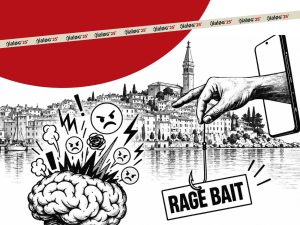
Rage Bait: Key Takeaways from the Weekend Media Festival
The panel “Rage Bait – Anger as a Shortcut to the Algorithm” explored content designed to provoke strong reactions, the line between legitimate provocation and manipulation, and the responsibility of media outlets, communicators and brands.
We use cookies to advance user experience on our website. Please select cookies you wish to allow us to set on your computer. For more information please see our “Cookies policy” and “Privacy protection”.
Neccessary
Necessary cookies help make our website usable by enabling basic functions like page navigation and access to secure areas of the website. The website cannot function properly without these cookies. These cookies do not store any personally identifiable information.
Performance
Performance cookies help us to understand how you interact with this website by collecting and reporting information anonymously. These cookies allow us to count visits and traffic sources, so we can measure and improve the performance of our site. These cookies do not store any personally identifiable information.