Pop culture as a shared language between audiences and brands.
—
3 min to read
Written by:
Marko Sitar
Films, TV shows, music, and other pop culture phenomena have long been a central part of everyday life, shaping people’s identities, lifestyles, and ways of thinking. Brands are increasingly aware of the strong emotional connection audiences form with such content—and of how effectively pop culture references can amplify the emotional impact of a message, especially when they are timely and part of a broader cultural trend. This is why pop culture has become both a powerful communication tool and a complex challenge for modern brand communication.
When brands become part of a cultural phenomenon
A strong example of this approach is Netflix’s collaboration with multiple brands during the global popularity of Stranger Things. Rather than relying on traditional product placement, brands like Coca-Cola revived the original 1980s New Coke packaging, seamlessly integrated into the show’s aesthetic and time period. The campaign worked not just as nostalgia, but as an authentic revival of a cultural moment—something audiences recognized and rewarded with attention.
A similar cultural effect was achieved with the Barbie movie, which went far beyond standard film promotion. Brands across industries—from fashion and beauty to travel and tech—embraced the recognizable “Barbiecore” aesthetic. Airbnb, for example, offered stays in a Barbie Dreamhouse, while fashion and beauty brands launched limited-edition collections inspired by the film. In this case, brands didn’t merely borrow the film’s visual identity—they became part of a cultural moment that extended far beyond the cinema.
Best of 2025
One of the most talked-about marketing campaigns of 2025 was Gap’s “Better in Denim” featuring the global girl group Katseye, tapping into a pop culture moment through music, dance, and viral content. In the campaign, Katseye dances in Gap denim to Kelis’s “Milkshake,” which quickly spread across social media and became a true cultural moment. Within weeks, the campaign generated billions of impressions and hundreds of millions of views and was dubbed a “cultural reset,” as it moved swiftly from advertisement to viral content that Gen Z watched, shared, and discussed worldwide.
In 2025, IKEA successfully leveraged the popularity of the series Severance as inspiration for a campaign focused on office furniture and workspaces. Visually and conceptually, the campaign clearly referenced the show’s distinctive aesthetic—sterile office interiors, symmetrical framing, and an atmosphere of corporate alienation—without direct copying or copyright infringement. This subtlety allowed audiences to immediately recognize the reference while keeping the focus on the products.
Pop culture as dialogue, not decoration
However, the line between cultural relevance and inauthenticity is extremely thin. The speed at which pop culture evolves often pushes brands to jump on trends impulsively, but without a clearly defined identity, this approach can feel superficial or forced. That’s why successful brand communication doesn’t begin with the question of what’s trending, but rather how a particular cultural phenomenon aligns with a brand’s values and long-term strategy.
Ultimately, the influence of pop culture on brand communication is not about using famous names or current references—it’s about understanding the cultural moment and engaging in an authentic dialogue with audiences. Brands that approach this thoughtfully don’t just capture attention; they become relevant participants in a space where marketing, entertainment, and culture increasingly overlap.
Subscribe to our Newsletter!
And be always updated with news from Dialog.
Highlights
Influencer Vetting: Why the Right Influencer Matters More Than Follower Count
A successful influencer marketing campaign starts long before the first social media post goes live. It starts with choosing the right creator - someone whose audience, values and communication style align with the brand.
With more than 5 million paid subscriptions, Substack brings writers together around highly specific interests and topics, creating small but highly focused communities that may be worth getting to know.
Rage Bait: Key Takeaways from the Weekend Media Festival
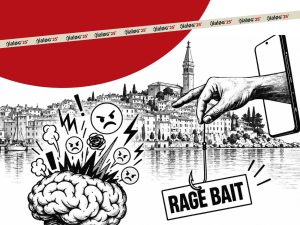
The panel “Rage Bait – Anger as a Shortcut to the Algorithm” explored content designed to provoke strong reactions, the line between legitimate provocation and manipulation, and the responsibility of media outlets, communicators and brands.
We use cookies to advance user experience on our website. Please select cookies you wish to allow us to set on your computer. For more information please see our “Cookies policy” and “Privacy protection”.
Neccessary
Necessary cookies help make our website usable by enabling basic functions like page navigation and access to secure areas of the website. The website cannot function properly without these cookies. These cookies do not store any personally identifiable information.
Performance
Performance cookies help us to understand how you interact with this website by collecting and reporting information anonymously. These cookies allow us to count visits and traffic sources, so we can measure and improve the performance of our site. These cookies do not store any personally identifiable information.