Who owns content on social media?
Social media and artificial intelligence have democratized creativity, but they have also brought the issue of copyright back into focus.


Pop Culture as a Shared Language Between Audiences and Brands
Films, TV series, music, and other popular culture phenomena have always been an important part of people’s everyday lives, shaping their identity, lifestyle, and way of thinking. Brands are aware of how strong a connection audiences form with such content and how effectively pop culture references can amplify the emotional resonance of a message, especially when they are current and part of a broader cultural trend. This is precisely why pop culture today represents a powerful communication tool, but at the same time a challenge for modern brand communication.
A good example of this approach is Netflix’s collaboration with numerous brands during the global popularity of the series Stranger Things. Instead of classic product placement, brands such as Coca-Cola brought back the original New Coke packaging from the 1980s, perfectly aligned with the aesthetic and time period of the series. The campaign did not function merely as nostalgia, but as an authentic revival of a cultural moment, which audiences recognized and rewarded with attention.
@strangerchris Coke ad in season 3 #fyp #foryou #strangerthings #netflix #strangerthings3 #tiktok #tvshow #strangerthings5 #coke
A similar cultural effect was achieved with the film Barbie, which grew beyond the boundaries of traditional film promotion. Brands from various industries, from fashion and beauty to travel and technology, used the recognizable “Barbiecore” aesthetic. Airbnb, for example, offered stays in a Barbie house, while fashion and beauty brands launched limited-edition collections inspired by the film. In this case, brands did not merely borrow the film’s visual identity, but became part of a cultural moment that extended beyond the movie theater itself.
@pinkishhideaway ????????????This is our Barbie Airbnb in San Antonio Texas! TAG YOUR FAVORITE INFLUENCER ???????????????????????????????????????????????????????????????? 6 bedrooms 15 beds Sleeps 23 ppl Head over and follow us on insta @pinkishhideaway and book on the link in our bio???????????? #airbnb #pinkairbnbhtx #Barbie #Pink #PinkBarbieVibes #airbnbsuperhost #AirbnbExperience #sanantonio
One of the most notable marketing campaigns of 2025 was Gap’s “Better in Denim” campaign with the global girl group Katseye, which relied on a pop culture moment through music, dance, and viral content. In the campaign, the members of Katseye dance in Gap denim to Milkshake by Kelis, which resonated widely across social media and became a true cultural moment. Within a few weeks, the campaign generated billions of impressions and hundreds of millions of views and was described as a “cultural reset,” as it quickly moved from an advertisement to viral content that Gen Z watched, shared, and commented on around the world.
@gap Better in Denim. This is denim as you define it. Your individuality. Your self-expression. Your style. Powerful on your own. Even better together. Featuring @KATSEYE. “Milkshake” by @kelis Directed by Bethany Vargas. Choreographed by @robbieblue_ Explore the campaign at link in bio. #BetterinDenim
In 2025, IKEA successfully leveraged the popularity of the series Severance as inspiration for a campaign focused on office furniture and workspaces. Visually and conceptually, the campaign clearly referenced the show’s recognizable aesthetic. Sterile office interiors, symmetrical framing, and an atmosphere of corporate alienation defined the campaign, but without direct copying or violating creative boundaries. This very subtlety allowed audiences to immediately recognize the reference while maintaining focus on the products.
However, the line between cultural relevance and inauthenticity is very thin. The speed at which pop culture changes often pushes brands toward impulsive participation in trends, but without a clearly defined identity, such an approach can appear superficial or unconvincing. This is why successful brand communication does not begin with the question of what is currently popular, but with how a particular cultural phenomenon fits into the brand’s values and long-term strategy.
Ultimately, the influence of pop culture on brand communication is not about using well-known names or current references, but about the ability to understand the cultural moment and participate in a dialogue with the audience in an authentic way. Brands that approach this thoughtfully not only attract attention, but also become relevant interlocutors in a space where marketing, entertainment, and culture are increasingly intertwined.

And be always updated with news from Dialog.
Social media and artificial intelligence have democratized creativity, but they have also brought the issue of copyright back into focus.
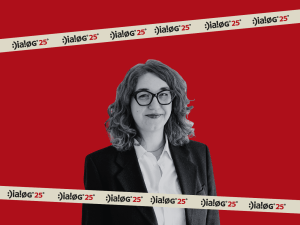
Dialog communications team welcomes Ines Madunić, Senior PR Executive.
Regardless of the quality of AI content, credibility remains the biggest challenge.