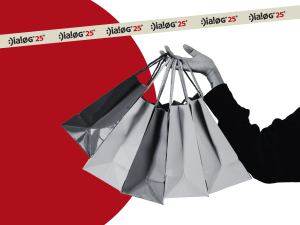
Gen Z in Shopping – Everything You Thought You Knew
Generation Z doesn't buy products, they buy experiences, values, identity, and trust.


Why “Messy” Is Becoming the New Strategy for Authentic Communication
The messy girl aesthetic has been alive for a while now — visible in fashion styles, beauty routines, and online culture. What’s new is that brands are increasingly adopting this visual language too. Instead of polished perfection, they’re choosing curated chaos and imperfect moments to express character and connect more authentically with their audiences.
From Perfection to Imperfection
For years, perfection was the gold standard for brands: overly polished campaigns, filtered photos, and tightly controlled communication. Today, that approach often feels staged and artificial. Audiences are turning away from uniform gloss, craving reality instead — behind-the-scenes moments, half-used products on the desk, or a bit of creative chaos in the office.
Imperfection has become a signal of honesty. This return to character and a “lived-in” aesthetic resonates deeply with Gen Z, who prefer brands with relaxed, authentic design over the “quiet luxury” standards that dominated recent years.
A Cultural Shift, Not Just an Aesthetic One
“Messy” doesn’t mean careless — it represents a cultural shift away from performative perfection toward relatable, real-life content. Increasingly, viral TikTok trends and online visuals spotlight everyday routines and the so-called “messy reality.” Think cluttered offices full of boxes, storage chaos, or desks overflowing with products.
These visuals feel lived-in — and that’s precisely why they’re appealing. They allow audiences to connect emotionally and see how products exist in daily life. The question now is whether this aesthetic will stay confined to TikTok or expand into broader campaigns across other platforms.
Brands Embracing the “Messy Aesthetic”
This summer, several brands experimented with the “messy aesthetic” in their campaigns. Häagen-Dazs launched a minimalist series focusing solely on a licked ice cream stick — a raw yet elegant nod to everyday indulgence.
In the beauty industry, Lancôme has embraced real, imperfect moments in some of its posts, showing the post-makeup chaos — brushes, compacts, and all. The brand even introduced the hashtag #MessyWithLancome, celebrating a rule-free, “embrace-the-mess” approach to makeup.
Fashion brands are doing the same. Everlane, for example, has featured tote bags overflowing with items, highlighting authenticity and the real, everyday lives of its customers — details that Gen Z immediately recognizes as genuine.
What This Means for Brands
The messy aesthetic may be more than just a passing trend. As cultural attention becomes increasingly fragmented, audiences are gravitating toward content that feels real rather than staged.
The question is whether brands will turn this into a long-term strategy or treat it as a momentary source of inspiration. Either way, these visual and communicative choices have the potential to build trust and foster stronger emotional connections with audiences.

And be always updated with news from Dialog.
Generation Z doesn't buy products, they buy experiences, values, identity, and trust.
The Public Relations and Communications Association (PRCA) has introduced a new definition of public relations, emphasising the role of modern PR professionals as strategic advisors.
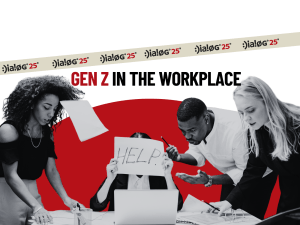
Gen Z is already reshaping business culture, and the organizations that fail to adapt to their priorities and communication style are at risk of losing the youngest talents.